

Ayodhya, located on the banks of the sacred Saryu River in Uttar Pradesh, is one of India’s oldest and most spiritually significant cities. Often referred to as the "Land of Dharma," it holds a revered position in Hinduism as the birthplace of Lord Rama, the seventh incarnation of Lord Vishnu.
According to the epic Ramayana, Ayodhya was the capital of the Kosala Kingdom and the seat of King Dasharatha, Lord Rama's father. The city's name literally means “unconquerable,” derived from the Sanskrit words a (not) and yudh (to fight).
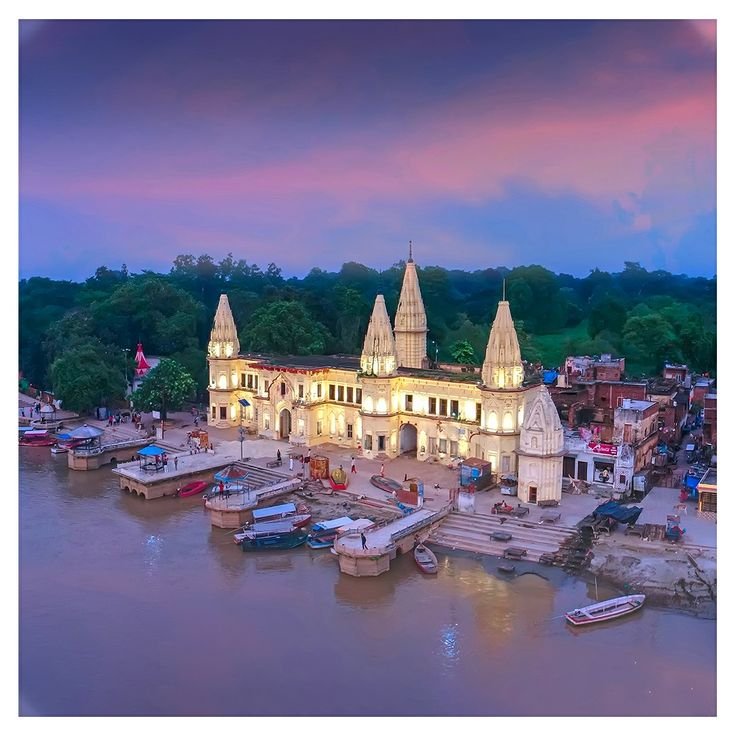
The serene Saryu River – A site of spiritual purification in Ayodhya
Spiritual Attractions in Ayodhya
- Ram Janmbhoomi Mandir: The most iconic spiritual site marking the birthplace of Lord Rama.
- Hanuman Garhi: A hilltop temple dedicated to Lord Hanuman, believed to protect Ayodhya.
- Kanak Bhawan: A temple gifted to Goddess Sita by Queen Kaikeyi after her marriage to Lord Rama.
- Treta Ke Thakur: A temple believed to mark the site of Lord Rama's Ashwamedha Yagna.
- Nageshwarnath Temple: Associated with Lord Rama’s son, Kush.
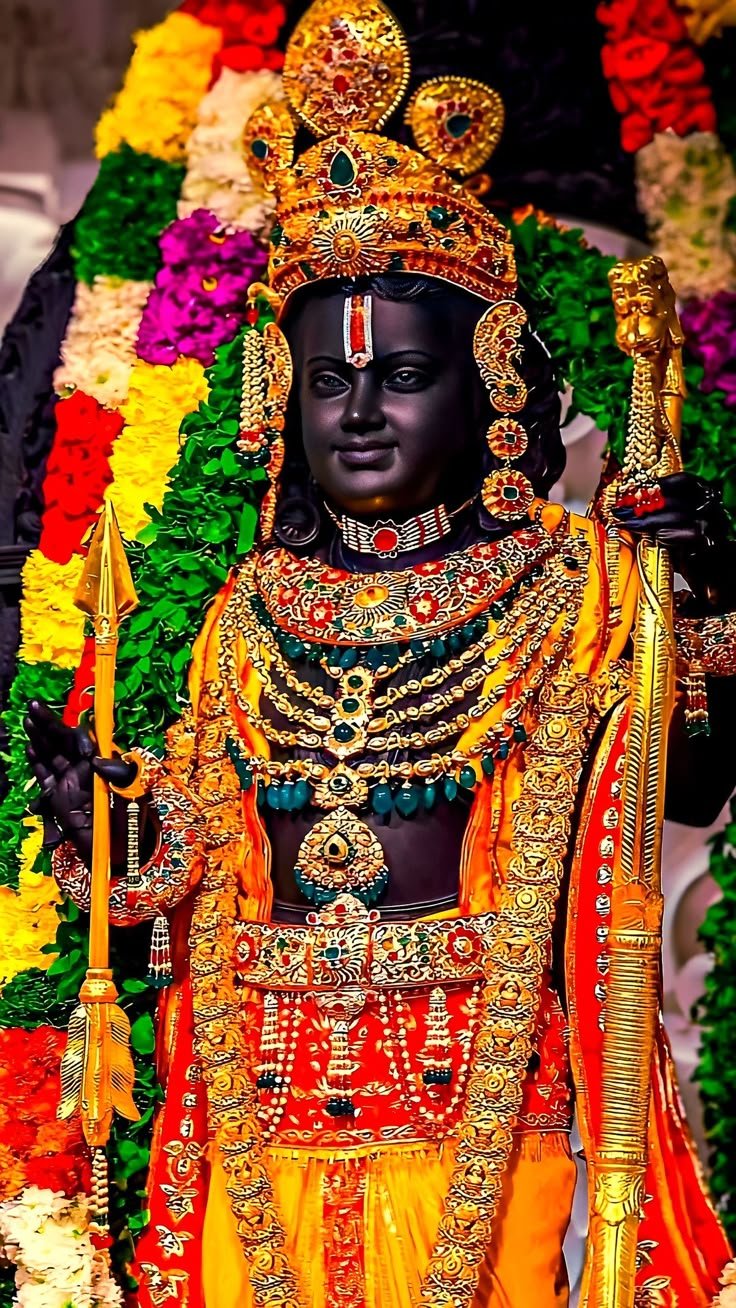
Ram Leela enactment in Ayodhya during Dussehra
Festivals & Cultural Heritage
Ayodhya is especially vibrant during festivals such as Ram Navami (Lord Rama’s birthday), Diwali (when Rama returned from exile), and Dussehra. The city hosts grand processions, traditional Ram Leela performances, and spiritual gatherings that attract devotees from across the globe.